
Getting traffic to your website is good, but traffic alone does not grow your business. If people visit your website but do not call, submit a form, book an appointment, or request a quote, something is wrong with the conversion path.
Many small business owners focus only on getting more visitors. They invest in SEO, Google Ads, social media, or directory listings, but they forget one important question: what happens after someone lands on the website?
A website should not only attract visitors. It should guide them, build trust, answer their questions, and make it easy for them to take the next step. If your website gets traffic but no leads, this guide will help you understand why and what to fix.
Traffic Is Not the Same as Leads
Website traffic means people are visiting your site. Leads mean people are taking meaningful action. A lead could be a phone call, contact form submission, quote request, booking, email signup, or direct message.
A website can get hundreds of visitors and still produce very few leads if the visitors are not the right audience, the message is unclear, or the website does not make the next step obvious.
This is why digital marketing should not only focus on rankings and clicks. SEO brings people to your website, but website design, content, trust signals, and conversion strategy turn those visitors into customers.
Google’s SEO Starter Guide explains that SEO helps search engines understand your content and helps users decide whether they should visit your site. But after they visit, your website still needs to convince them to act.
Quick Signs Your Website Has a Lead Problem
Before making changes, look for signs that your website is attracting visitors but failing to convert them. These signs usually mean the problem is not visibility but conversion.
Common warning signs include:
- Your website gets traffic, but contact forms are rarely submitted.
- People visit important service pages but leave quickly.
- Google Ads gets clicks, but few calls or quote requests.
- Your blog gets visitors, but they do not explore your services.
- Your phone number, form, or call-to-action button is hard to find.
If you notice these issues, the solution is not always “more traffic.” In many cases, the better solution is improving the quality of your pages, offers, user experience, and conversion tracking.
1. You Are Attracting the Wrong Traffic
Not all website traffic is valuable. A visitor who is researching a general topic may not be ready to buy. A visitor from the wrong city may not be able to use your service. A visitor looking for free information may not become a customer.
For example, a web design company may get traffic from a blog post about “free website templates,” but those visitors may not be interested in hiring a professional. On the other hand, someone searching “WordPress web design company in Kitchener” may have much stronger buying intent.
This is why keyword intent matters. Your SEO strategy should target a mix of informational, local, and commercial keywords. Blog posts can attract early-stage visitors, but service pages should target people who are closer to making a decision.
If your traffic is not producing leads, review which pages are getting visitors and what keywords they are ranking for. You may discover that your website is visible, but not for the searches that bring real customers.
2. Your Website Message Is Not Clear
When someone lands on your website, they should understand what you do within a few seconds. If your homepage or service page is too vague, visitors may leave before exploring further.
A strong website message should clearly explain who you help, what problem you solve, where you provide services, and what the visitor should do next.
For example, “We help small businesses build SEO-friendly websites that generate leads” is much clearer than “We create digital experiences for modern brands.” Creative wording can sound nice, but clarity usually converts better.
Your website should avoid confusing language, long introductions, and generic claims. Visitors are usually asking simple questions: Can this business help me? Do they serve my area? Do they look trustworthy? How do I contact them?
3. Your Call to Action Is Weak or Hidden
A call to action tells visitors what to do next. Without a clear call to action, people may read your content and leave without contacting you.
Your CTA should be visible on key pages, especially the homepage, service pages, landing pages, and blog posts. It should also match the visitor’s intent. Someone reading a blog post may not be ready to buy immediately, but they may be ready to explore your services, request a consultation, or read a related guide.
Good CTA examples include “Request a Quote,” “Book a Free Consultation,” “Call Now,” “Get Website Help,” or “Start Your SEO Project.”
If your website only has a small contact link in the menu, you may be losing leads. Visitors should not have to search for a way to contact you.
4. Your Website Does Not Build Enough Trust
People usually do not contact a business they do not trust. This is especially true for service businesses where customers need to share their time, money, business details, or personal information.
Trust can come from reviews, testimonials, project examples, case studies, certifications, clear contact information, professional design, and helpful content. A website that looks outdated, unfinished, or too generic can make visitors hesitate.
Your website should answer the trust question before the visitor has to ask it. Show real examples of your work when possible. Add customer feedback. Explain your process. Make your location or service area clear. Include an About section that feels human and professional.
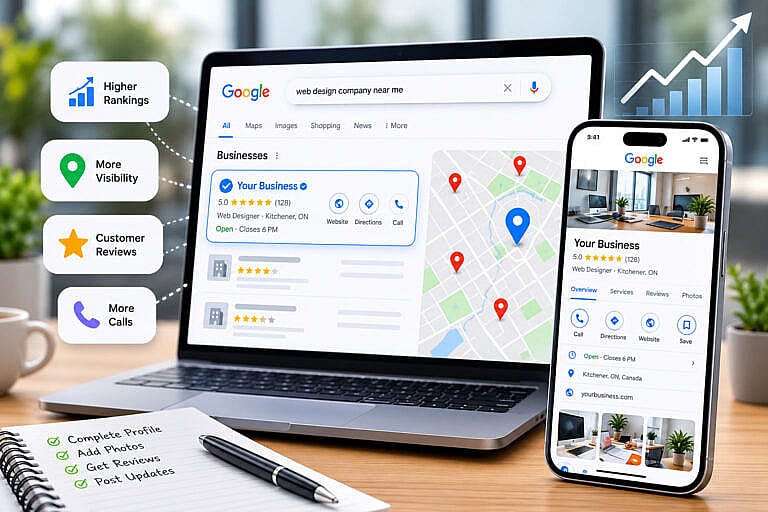
For local businesses, trust also comes from consistent online presence. A complete Google Business Profile, accurate directory listings, and real customer reviews can support both local SEO and conversion.
You can also create a free listing in the HMDIA Business Directory to strengthen your online presence.
5. Your Website Is Too Slow or Hard to Use
A slow or confusing website can reduce leads even if your traffic is strong. Many visitors use mobile devices, and they expect pages to load quickly and work smoothly.
Google explains that Core Web Vitals measure real-world user experience, including loading performance, interactivity, and visual stability. You can learn more from Google’s guide to Core Web Vitals and Search results.
Speed is not the only issue. Your website should also have simple navigation, readable text, clickable phone numbers, easy forms, and a mobile-friendly layout. If visitors need to zoom, scroll too much, wait too long, or fight with a complicated form, many will leave.
Good web design and SEO work together. If your site needs a stronger foundation, HMDIA can help with web design, SEO, and digital marketing services. You can also read our guide on how web design affects SEO.
6. Your Service Pages Are Not Strong Enough
Many websites rely too much on the homepage. But if you offer multiple services, each important service should have its own strong page.
A good service page should explain the problem, the service, the benefits, the process, and the next step. It should also include local relevance if you serve specific cities or areas.
For example, a page about SEO services should not simply say “we offer SEO.” It should explain what SEO includes, who it helps, what results the client can expect, and why your approach is different.
Service pages are important for both Google Search and AI search because they help search systems understand what your business actually offers. Google’s guide to optimizing for generative AI features in Search explains that SEO fundamentals continue to matter for AI-powered Search experiences.
7. Your Blog Brings Readers but Does Not Guide Them
Blog traffic can be valuable, but blog readers need direction. If your blog posts do not connect to your services, you may get visitors without leads.
For example, a blog post about local SEO should naturally link to your SEO services, Google Business Profile help, website design services, or a related checklist. A blog post about Google Ads should guide readers toward a landing page or consultation.
This does not mean every paragraph should sell. It means your content should create a logical path from education to action.
If a visitor reads your blog and thinks, “This business understands my problem,” the next step should be easy to find.
8. You Are Not Tracking the Right Actions
Sometimes a website is getting leads, but the business is not tracking them properly. Other times, traffic looks strong, but the important actions are not happening.
Google Analytics allows businesses to measure important actions as key events. You can learn more from Google’s guide to Analytics key events.
Track actions that actually matter to your business, such as:
- Contact form submissions
- Phone number clicks
- Quote requests
- Booking button clicks
- Email clicks or important landing page visits
Without proper tracking, it is difficult to know whether your website, SEO, or Google Ads are working. You may be making decisions based on traffic instead of real business results.
9. Your Offer Is Not Strong Enough
Sometimes the website design is fine, but the offer is weak. Visitors may understand what you do but still feel no reason to contact you now.
A strong offer does not always mean a discount. It can be a free consultation, clear package, fast quote, helpful audit, simple booking process, or stronger explanation of your value.
For example, “Contact us” is basic. “Book a free website consultation” feels more specific and helpful. “Get a free SEO review” may be even stronger if the visitor is worried about rankings.
Your offer should reduce hesitation and make the next step feel easy.
Website Traffic vs Leads: What to Check
If your website gets visitors but no leads, review the full path from search to conversion.
| Area to Check | What It Means | What to Improve |
|---|---|---|
| Traffic quality | Are visitors the right audience? | Target better keywords and locations |
| Page message | Do visitors understand your value? | Make headlines and service descriptions clearer |
| Trust | Do visitors believe you? | Add reviews, examples, and real business details |
| User experience | Is the site easy to use? | Improve speed, mobile design, forms, and navigation |
| Call to action | Is the next step obvious? | Add stronger CTA buttons and contact options |
| Tracking | Are important actions measured? | Set up key events and lead tracking |
Final Thoughts
If your website gets traffic but no leads, do not assume the answer is always more visitors. The real problem may be traffic quality, weak messaging, poor design, missing trust signals, unclear calls to action, or lack of tracking.
A strong business website should attract the right people, answer their questions, build trust, and make the next step simple.
At HMDIA, we help small businesses build professional websites, improve SEO, manage Google Ads, and create digital marketing strategies focused on real leads, not just traffic.
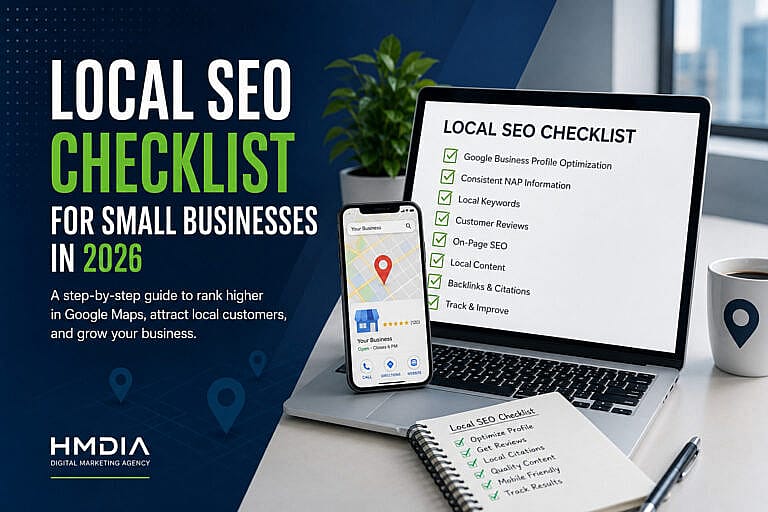
Explore our web design, SEO, and digital marketing services or read our Local SEO Checklist for Small Businesses to strengthen your online visibility and conversion strategy.